The idea of creating a Folklore Museum was born together with the founding of the Iasmos Culture Club in 1983. From the first steps of its activity, the Club recognized the need to preserve and showcase local memory, cultural heritage, and the traditions of the town.
The effort began with the collection of everyday objects, tools, family heirlooms, traditional costumes, and other significant items donated by the residents of the area. At the same time, periodic and travelling exhibitions were organized, showcasing the wealth of local folk tradition.
A major milestone in this journey was the purchase of the house of papa-Giannis by the Club, funded by the Ministry of Culture in 1993. This building became the first organized housing for the collection. For several years it hosted the Club's offices, traditional costumes, paintings, photographic and film material, as well as a large number of objects gathered through donations from residents. Over time, the deterioration of the building made it difficult to safely preserve and protect the collections.
Later, the building of the former Community of Iasmos was renovated and granted to the Club, providing new spaces to house its offices and part of its collections.
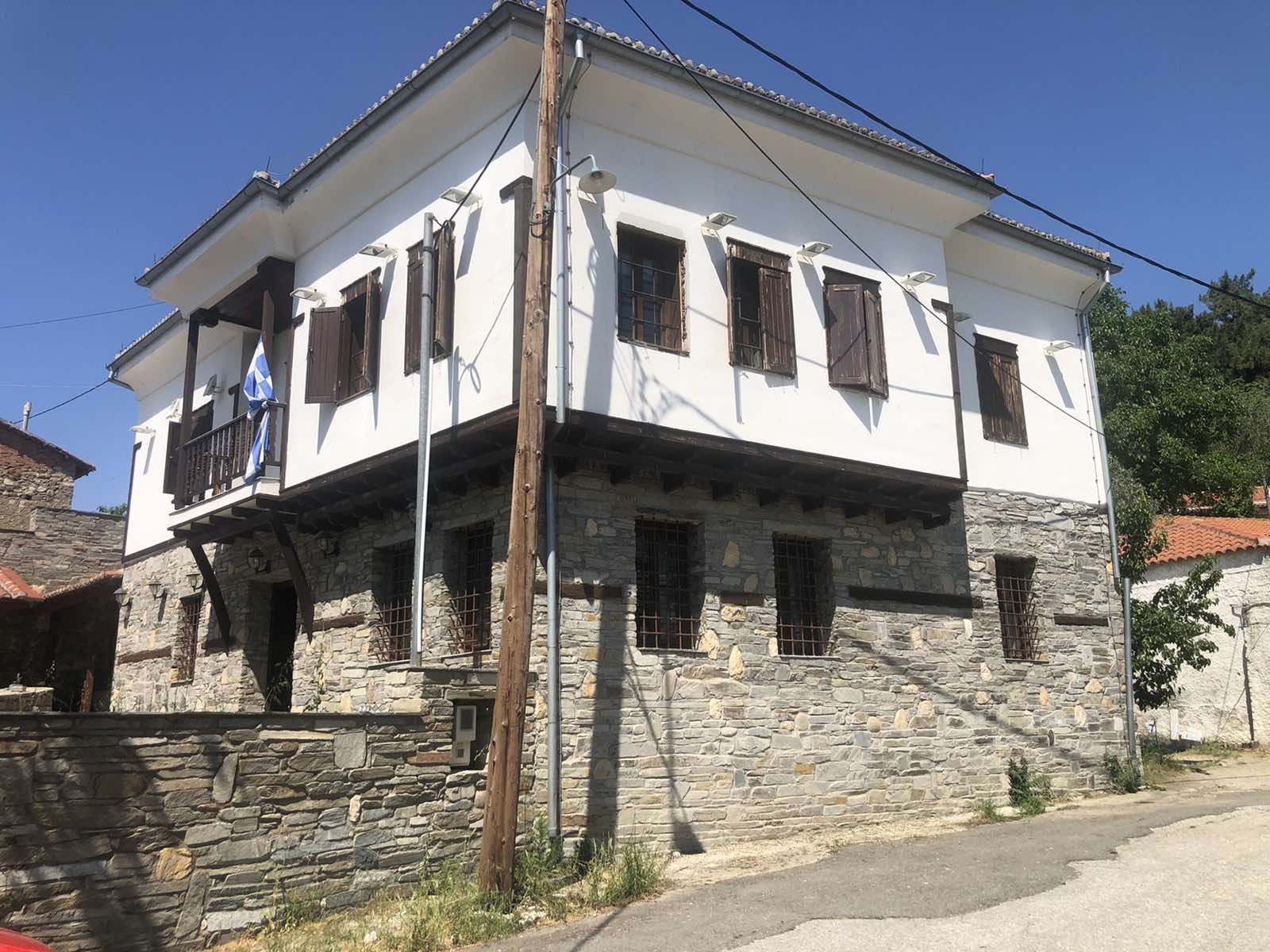
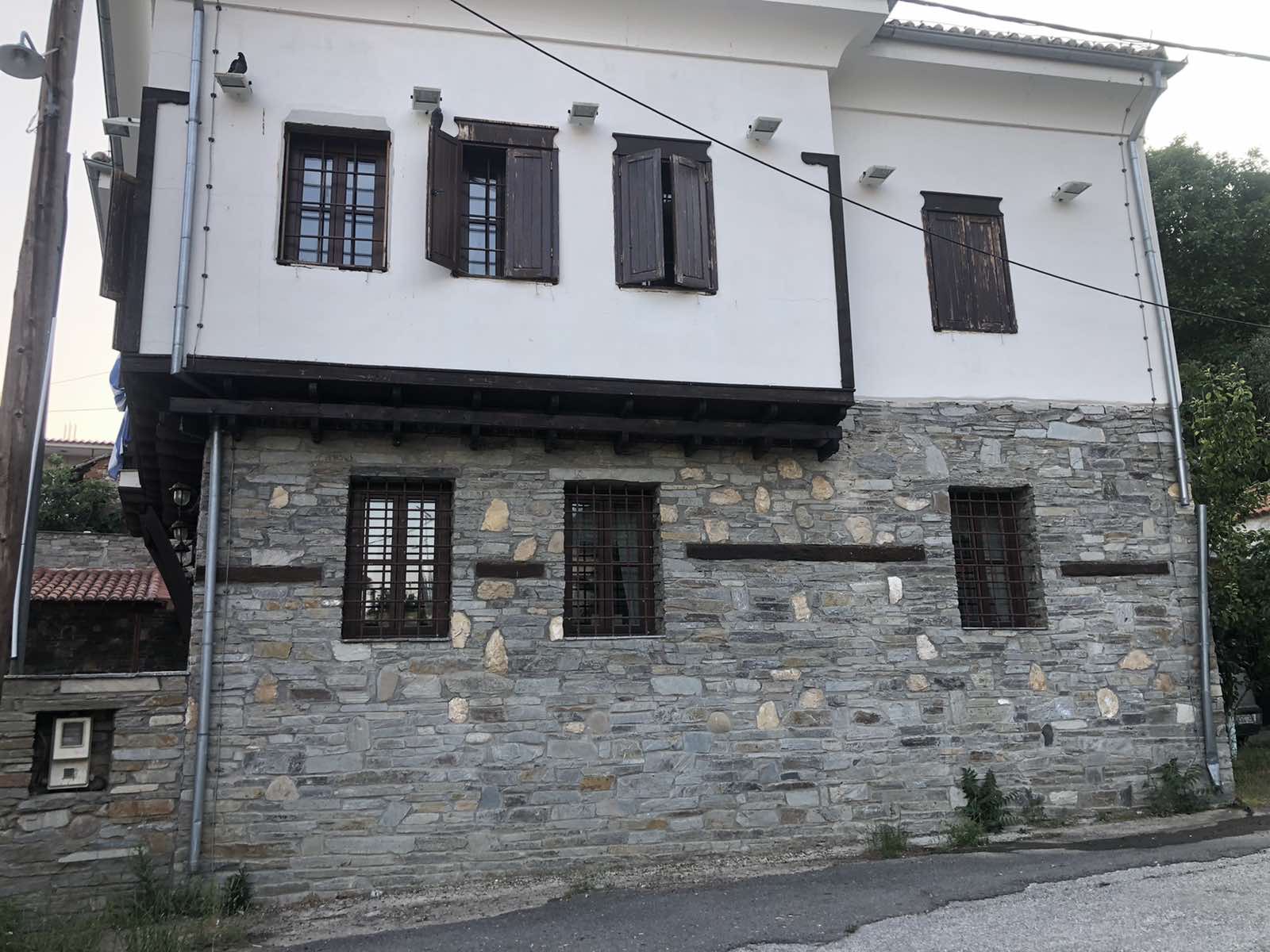
The creation of today's Museum of Agricultural and Cultural Heritage marked the next major step. During the term of Mayor Christos Amoiridis, through the European Interreg programme, the current museum building was erected, designed to meet the needs of preserving, exhibiting, and showcasing the collections. The Museum's shell was constructed following the designs of the traditional houses of Iasmos, with certain interventions to suit its purpose. At the same time, the Municipality of Iasmos proceeded with the purchase of the neighbouring house of Fokion Georgiouklis, which was demolished so that the space could be used for the expansion and extension of the overall project.
Authentic architectural elements of local tradition were also incorporated into the Museum's interior. Among them stands the wooden carved ceiling from the house of papa-Nikolas Oikonomos (1848-1935), as well as the traditional veranda from the courtyard of the Anagnostopoulos family residence, which was transferred and reassembled in the museum's basement, along with the balcony from the house of Hariklia Karina, placed in the corner of the building, contributing to an authentic depiction of the traditional Thracian dwelling.
The Museum's inauguration took place on July 8, 2012, marking the completion of an effort that lasted nearly three decades. Today the Museum stands as a living space of memory and culture, where the history, traditions, and everyday life of the people of the town are preserved and showcased, constituting a valuable legacy for future generations.
Special mention goes to Christos Polynas, who was one of the people who actively supported the Museum's endeavour. He actively participated in the collection and preservation of objects, in the arrangement of the exhibition spaces, and in the placement of the exhibits, contributing decisively to shaping the image the Museum presents today. His love for local history and his multifaceted contribution remain an inseparable part of its journey.
The Folklore Museum of Iasmos is the result of a collective effort that began in 1983 on the initiative of the Iasmos Culture Club and with the support of the local community. Through the cooperation of residents, volunteers, and townspeople, a space was created that preserves and showcases the history, everyday life, and traditions of the town, passing them on as a valuable legacy to future generations.
The creation and evolution of the Museum's history page into its present form is owed to the significant editorial contribution of Mrs. Eleni Karkazi-Pournara, whom we sincerely thank.